

How to Teach Colors to Preschoolers
A Starting Place
This is one of the first steps in your child's literacy journey, and part of how early reading skills develop over time.
Get Your Free Color Skills Checklist
Download the free printable Color Skills Checklist to see which color concepts your preschooler is beginning to master.
Skill Building
Why Learning Colors Matters
Learning colors helps children build vocabulary, describe the world around them, and begin sorting and comparing what they see.
These early skills are part of how to teach colors to preschoolers in a natural, meaningful way.
What Colors Should You Teach First?
Start with a few basic colors your child sees often, like red, blue, yellow, and green.
Using familiar objects, like crayons, clothes, toys, or snacks, makes colors easier to recognize and remember.
How to Teach Colors Step by Step
Keep it fun. Simple games and activities help colors stick.
Focus on everyday moments so children learn naturally without pressure.
Simple Color Activities to Try
- Sort toys or objects by color
- Go on a color hunt around the house
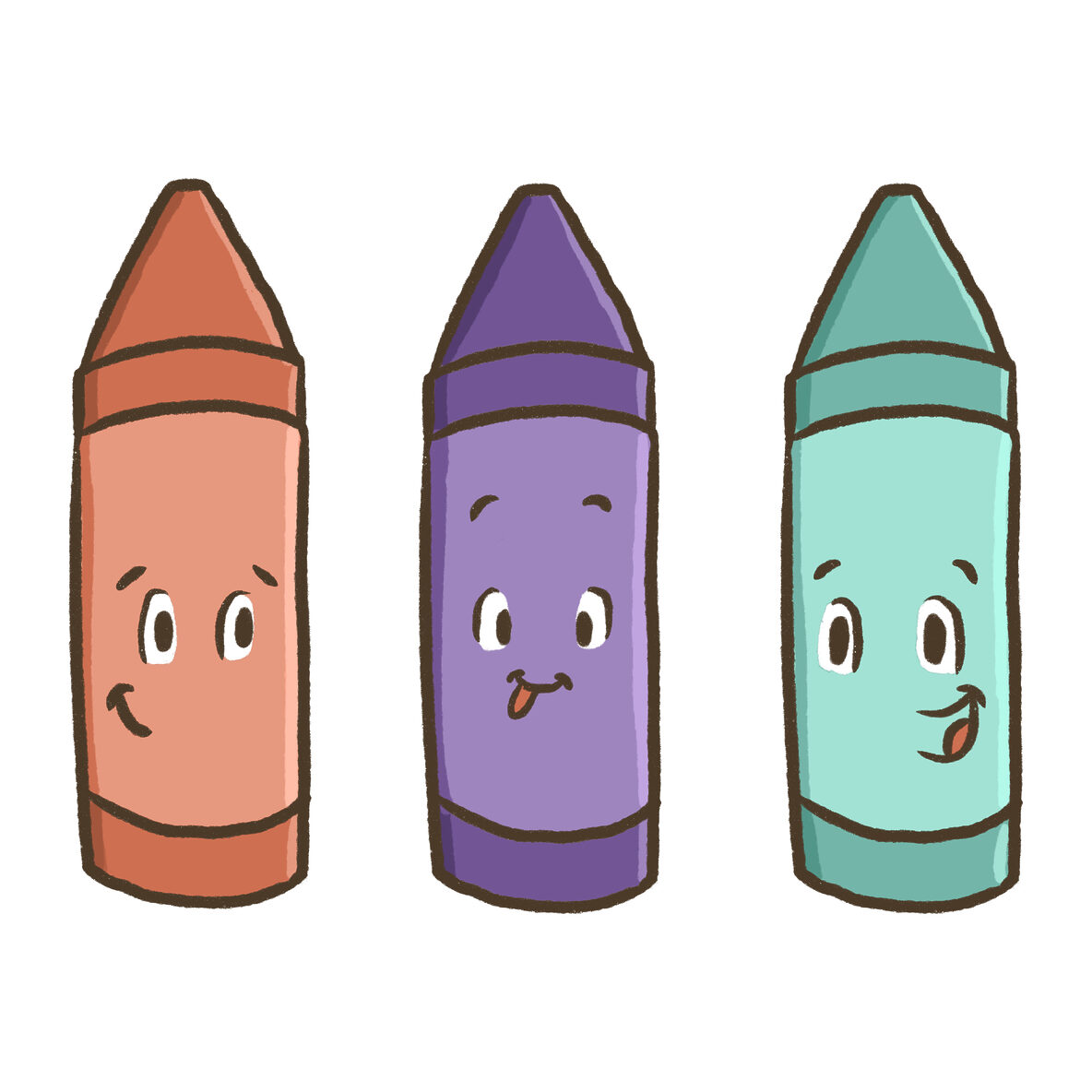
- Match crayons, markers, or paper by color
- Ask your child to find something red, blue, or yellow
- Match colored objects to crayons or markers
- Read simple books that highlight colors
- Ask your child to describe colors they see during play
Common Mistakes to Avoid
Teaching too many colors at once can be overwhelming.
Expecting memorization instead of learning through play can slow progress.
Children learn best when colors are part of everyday experiences.
Next
If your child is enjoying learning colors, the next step is building more early literacy skills through simple, connected lessons.
Ready to Keep Learning?
If your child enjoys learning together, our free Preschool Mini Unit is the perfect next step. You'll receive teacher-created lessons, printables, songs, and activities designed to help preschoolers build early reading skills through playful, connected learning.