

7 Playful Rhyming Activities for Preschoolers
Why Rhyming Matters
Rhyming helps preschoolers notice that words are made of sounds. When children hear that cat and hat sound alike, they're practicing an early literacy skill that supports future reading.
The best part? Rhyming practice can feel like pure play. You do NOT need flash cards, worksheets, or a long lesson. A song in the car, a silly word at snack time, or a favorite picture book can turn an ordinary moment into a sound adventure.
Try these seven playful activities for a few minutes at a time. Follow your child’s interest, celebrate funny answers, and keep the experience light.
1. Finish the Rhyme
Say a familiar rhyming pair, but pause before the second word: “The cat is wearing a…” Let your child fill in hat. Try easy pairs such as mouse–house, star–car, and bug–rug.
If your child needs help, offer two choices. “Does cat rhyme with hat or sun?” Keep the pace playful rather than turning it into a test.
2. Make a Silly Rhyme
Choose a simple word and take turns inventing rhymes. Real words count, but silly words count too. A chain like pig, wig, zig, mig helps children listen for matching endings without worrying about vocabulary.
Laughing at nonsense words makes this activity memorable and shows your child that playing with language is fun.
3. Go on a Rhyming Hunt
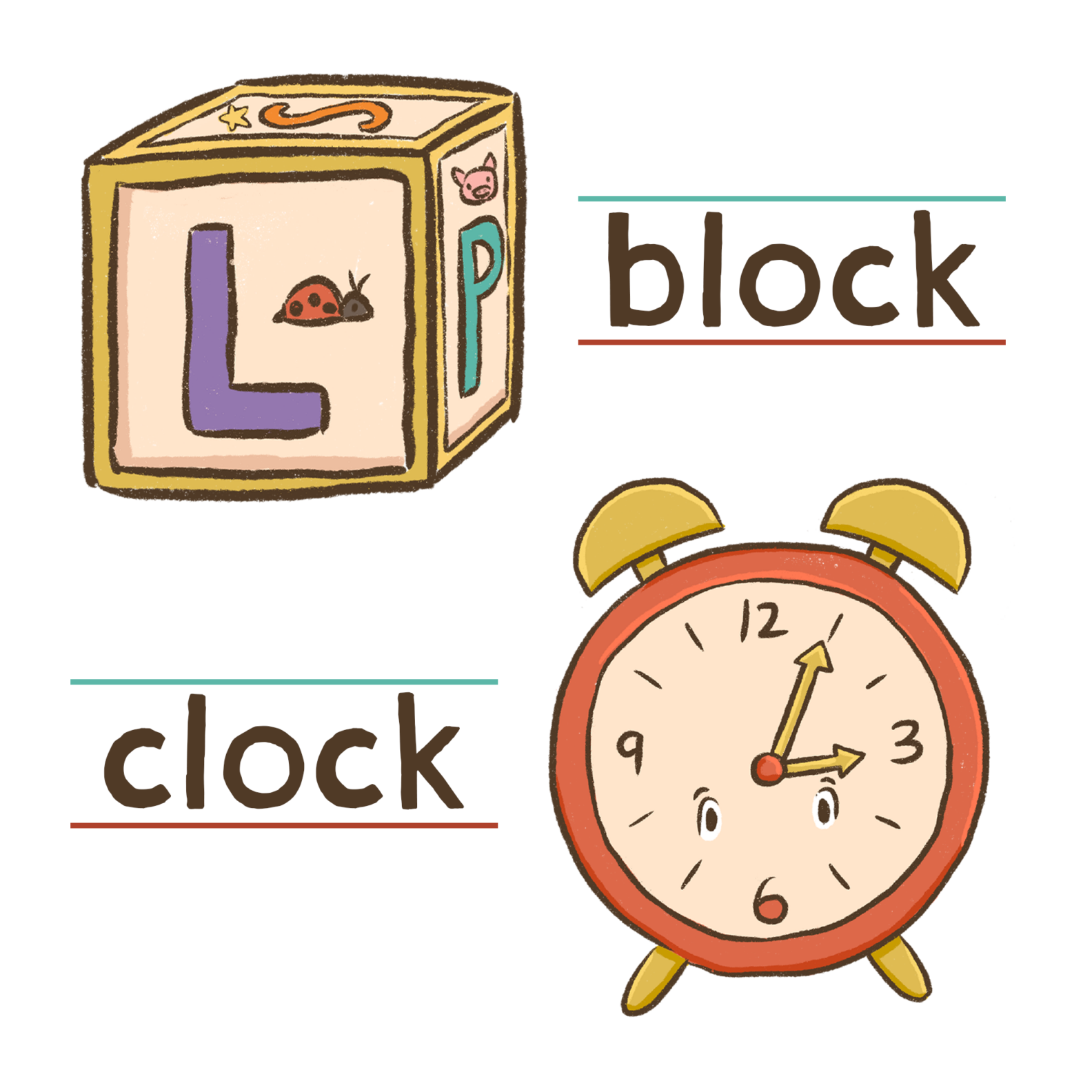
Pick an object in the room, such as a chair, sock, or book. Look around together for something—or imagine something—that rhymes with it. A chair might rhyme with bear; a sock might rhyme with clock.
Your matches do not need to be objects you can actually find. Imagining a bear sitting in the chair adds storytelling and humor to the sound practice.
4. Read a Rhyming Book
Choose a picture book with a strong rhyme pattern. Pause before an obvious rhyming word and invite your child to guess what comes next. The pictures and rhythm provide helpful clues.
It is fine if the guess is different from the word in the book. Ask, “Does your word rhyme too?” and enjoy the possibilities together.
5. Sing and Move
Nursery rhymes and songs make word endings easy to hear. Sing a favorite slowly, clap on the rhyming words, or add a movement each time you hear a matching sound.
Try changing one line to create a new rhyme. The sillier the verse, the more likely your child is to join in and remember it.
6. Sort Rhyming Pictures
Gather small toys or draw simple pictures for pairs such as cat–hat, fox–box, and bee–tree. Mix them up and help your child find the partners that sound alike.
Say every word aloud before making a match. Rhyming is about listening to sounds, so children do not need to recognize the printed words.
7. Play Rhyme Time Anywhere
Choose a word during a walk, at bath time, or while waiting in line. Take turns naming something that rhymes. In the car, try a simple prompt: “I see a tree. What rhymes with tree?”
Short, repeated moments are more useful than one long practice session. Stop while your child is still having fun, then play again another day.
Keep Rhyming Playful
Your preschooler does not need to produce perfect rhymes right away. Listening, laughing, and noticing that words can sound alike are meaningful first steps.
Use words connected to your child’s interests, repeat favorite games, and let nonsense be part of the fun. These small moments strengthen sound awareness while building confidence and a love of language.
Looking for another little step? Explore more playful letter activities or visit the free Activities Library.
One playful rhyme at a time.