
How to Teach Shapes to Preschoolers
All Shapes and Sizes
Learning shapes is another step in your child's literacy journey, and part of how early reading skills develop over time.
One key to working with young children is using everyday moments to build skills. They are always busy—playing, moving, eating, and following routines all offer learning opportunities. Focus on one simple idea, spend a few minutes exploring it together, then let your child return to what they were doing. Repeat this with each new shape.
Skill Building
Why Learning Shapes Matters
Shapes are one of the first ways children begin to understand how things fit together.
Learning shapes helps children notice patterns and understand the world around them.
It builds early problem-solving skills and supports both language and math development.
When children recognize shapes in everyday objects, they begin to see how things are organized and connected.
What Shapes Should You Teach First?
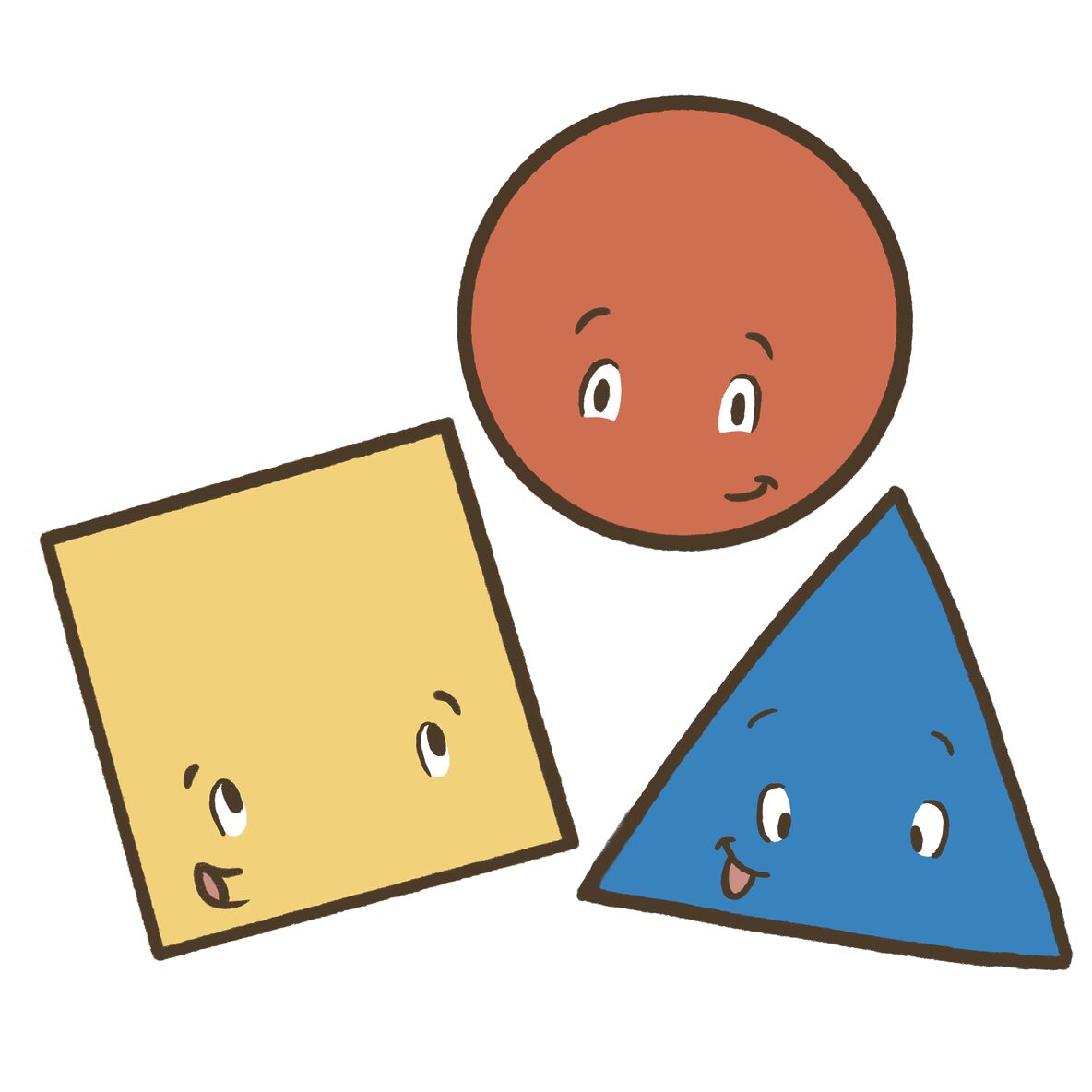
Start with a few basic shapes like circles, squares, and triangles.
Focus on shapes your child sees often, like a clock, a window, or a slice of pizza.
Keeping it familiar makes shapes easier to recognize and remember.
How to Teach Shapes to Preschoolers
Start with a few basic shapes like circles, squares, and triangles.
Point out shapes in everyday objects, like a clock for a circle or a window for a square.
Repeat often. Children learn shapes by seeing them again and again in real situations.
Keep it playful. Simple games and hands-on activities make shapes easier to recognize and remember.
Simple Shape Activities to Try
- Go on a shape hunt around your home
- Sort objects by shape
- Draw and name simple shapes together
- Use blocks or toys to build different shapes
- Match shapes to everyday objects
Where to Practice Shapes
You can practice shapes almost anywhere throughout the day.
Look for shapes in everyday places like your home, the playground, or the grocery store.
Short, playful moments work best, like pointing out a circle on a clock or a rectangle on a door.
Keep it natural and fun so your child starts to notice shapes without feeling like it’s a lesson.
When
You can talk about shapes whenever you have your child's attention. There really isn't a wrong time. Looking for shapes is a fun and easy activity wherever you happen to be.
Common Mistakes When Teaching Shapes
These are common pitfalls that can make learning shapes more confusing for young children. Introducing too many shapes at once can be confusing for young children.
Focusing only on flashcards instead of real-world objects makes it harder for children to connect shapes to what they see every day.
Children learn best when shapes are part of everyday play and experiences.
Ready to Keep Going?
Once your child is comfortable with shapes, the next step is building early literacy skills through simple, connected lessons.
As your child continues learning, you can introduce new concepts like letters, numbers, and early reading skills step by step.