
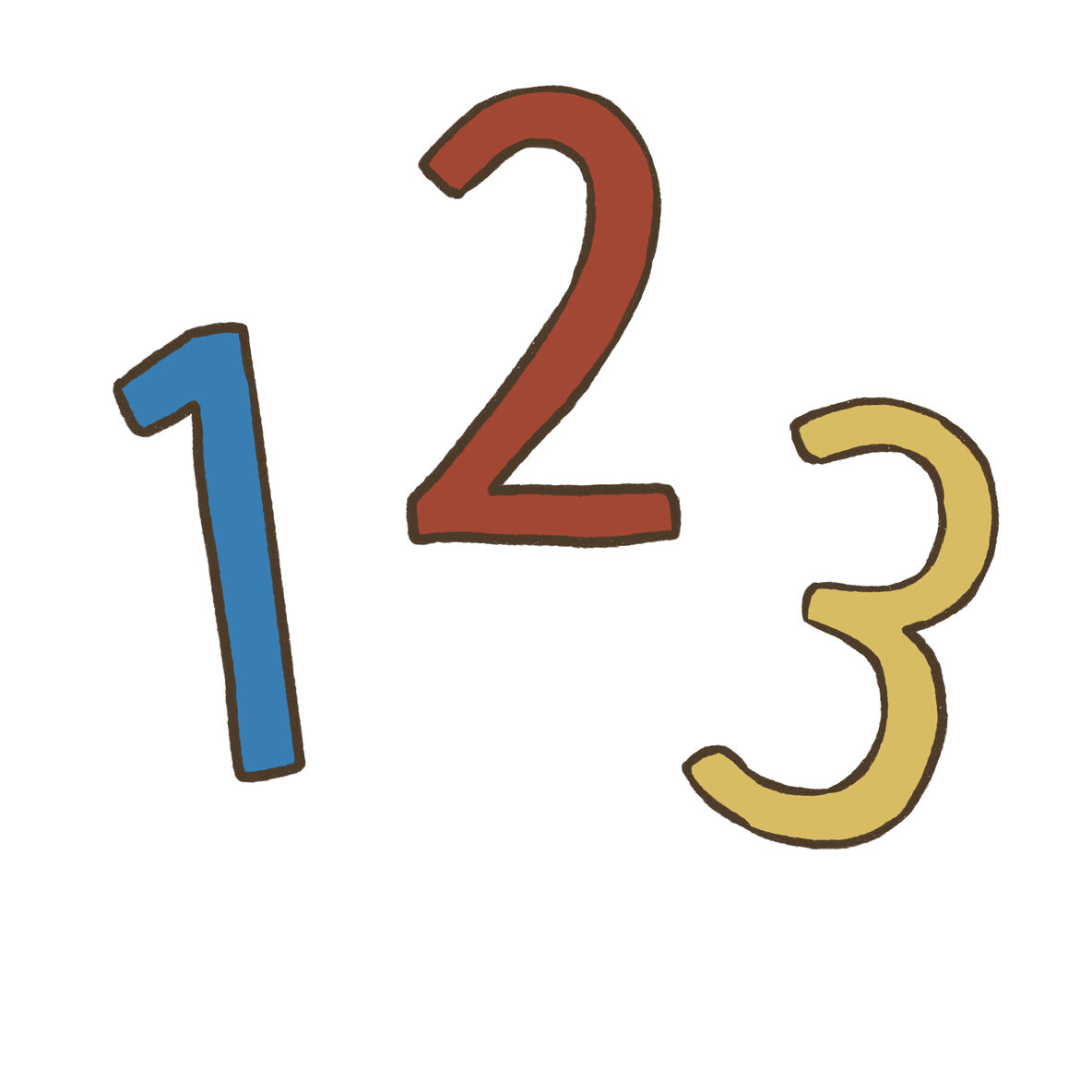

How to Teach Numbers to Preschoolers
Counting with Kids
If you're wondering how to teach numbers to preschoolers, it doesn’t need to be complicated.
With simple, hands-on steps, your child can begin counting, recognizing numbers, and understanding quantity through everyday play.
Learning numbers is an important step in your child’s early learning journey, and part of how early reading skills develop over time.
Learning numbers helps children begin to understand counting, quantity, and how numbers are used in everyday life.
Here’s how to help your child recognize numbers and build early math confidence.
Skill Building
Why Learning Numbers Matters
Numbers help children understand how much, how many, and how things compare.
As children learn to count and recognize numbers, they begin to build early math and problem-solving skills.
These skills support everyday tasks and prepare children for more advanced learning.
What Numbers Should You Teach First?
Start with numbers 1 through 5, then gradually move to 10.
Focus on helping your child understand quantity, not just recognizing the number symbol.
Keeping it simple helps children build confidence and real understanding.
How to Teach Numbers to Preschoolers
Simple, everyday counting is the best way for children to understand numbers.
Start by counting everyday objects like toys, snacks, or steps.
Say the numbers out loud as you count so your child hears and sees the connection.
Use repetition in daily routines to build familiarity.
Keep it playful. Simple games and hands-on activities help numbers make sense.
Simple Number Activities
- Count toys, snacks, or steps together
- Match numbers to groups of objects
- Use fingers to show numbers
- Play simple counting games
- Read books that include counting
Where to Practice Numbers
You can practice counting anywhere throughout the day.
Look for natural opportunities to count objects at home, in the car, or while shopping.
Short, everyday moments help children understand numbers without feeling like a lesson.
When to Teach Numbers
The best time to teach numbers is when your child is interested and engaged.
You don’t need a formal lesson. Use everyday moments to count things naturally, like steps, snacks, or toys.
Short, simple interactions throughout the day help children build understanding without feeling overwhelmed.
Keeping it playful makes learning numbers feel easy and enjoyable.
Common Mistakes When Teaching Numbers
Focusing only on number symbols without counting objects can limit understanding.
Teaching too many numbers at once can feel overwhelming.
Children learn best when numbers are part of everyday play and experiences.
Ready to Keep Going?
Once your child is comfortable counting and recognizing numbers, the next step is using numbers in simple problem-solving and everyday situations.