
Learning Tools
Tools
Learning to use tools is an important step in your child’s development, and supports how early reading skills develop over time. Start teaching your child how to use school supplies at home by tying the skills to something they're already practicing. For example, have your child color or cut out shapes.
There are tools your child needs to use in order to make progress on their learning journey. It's best to teach them how to use these tools at home when your child has your undivided attention. Introducing tools at home gives your child time to practice with your support, helping them feel confident and safe as they learn.
Skill Building
Why Learning Tools Matters
Learning to use tools helps children participate in everyday learning activities.
It builds confidence, independence, and coordination.
These skills support writing, creativity, and classroom readiness.
What Tools Should Your Child Learn to Use?
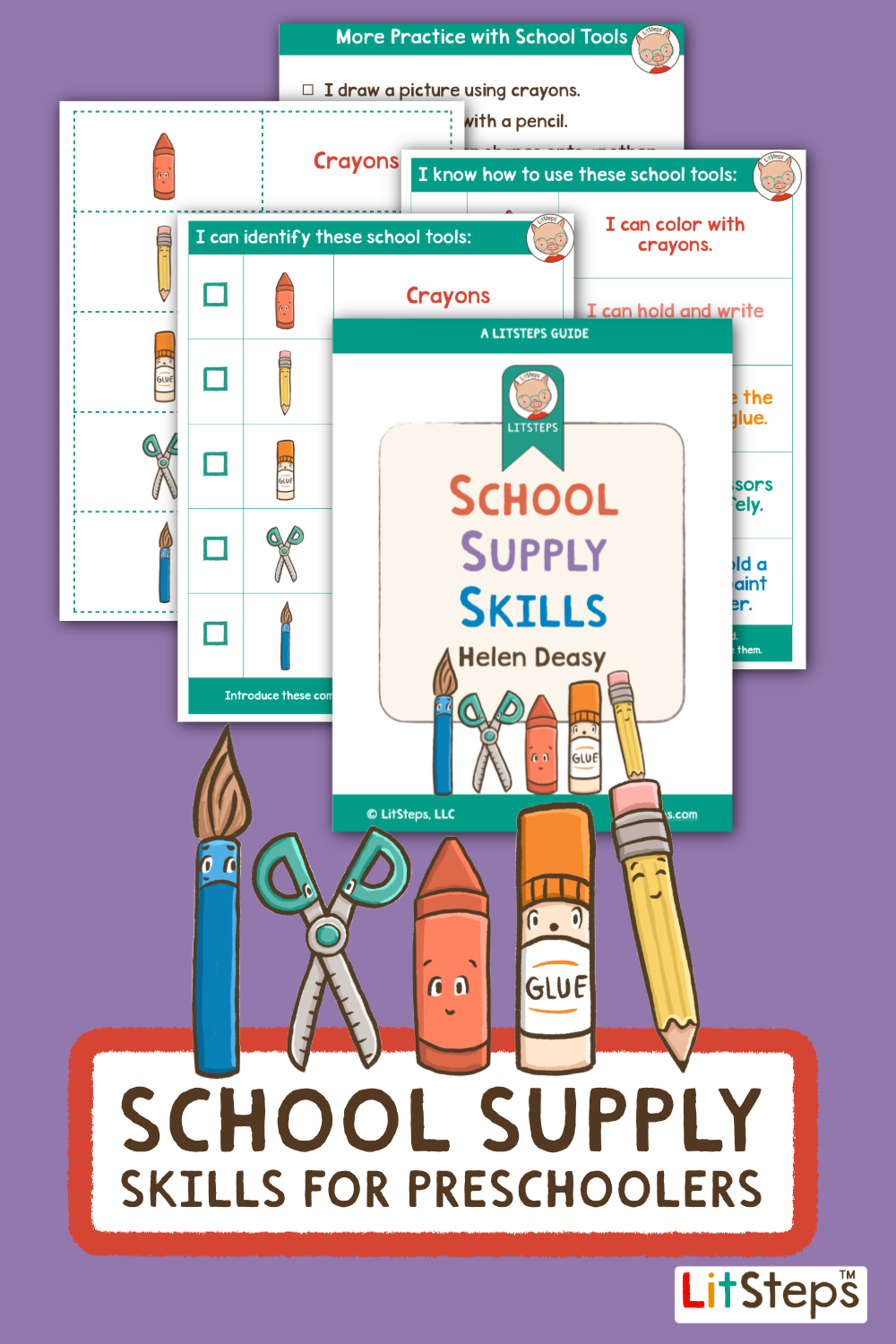
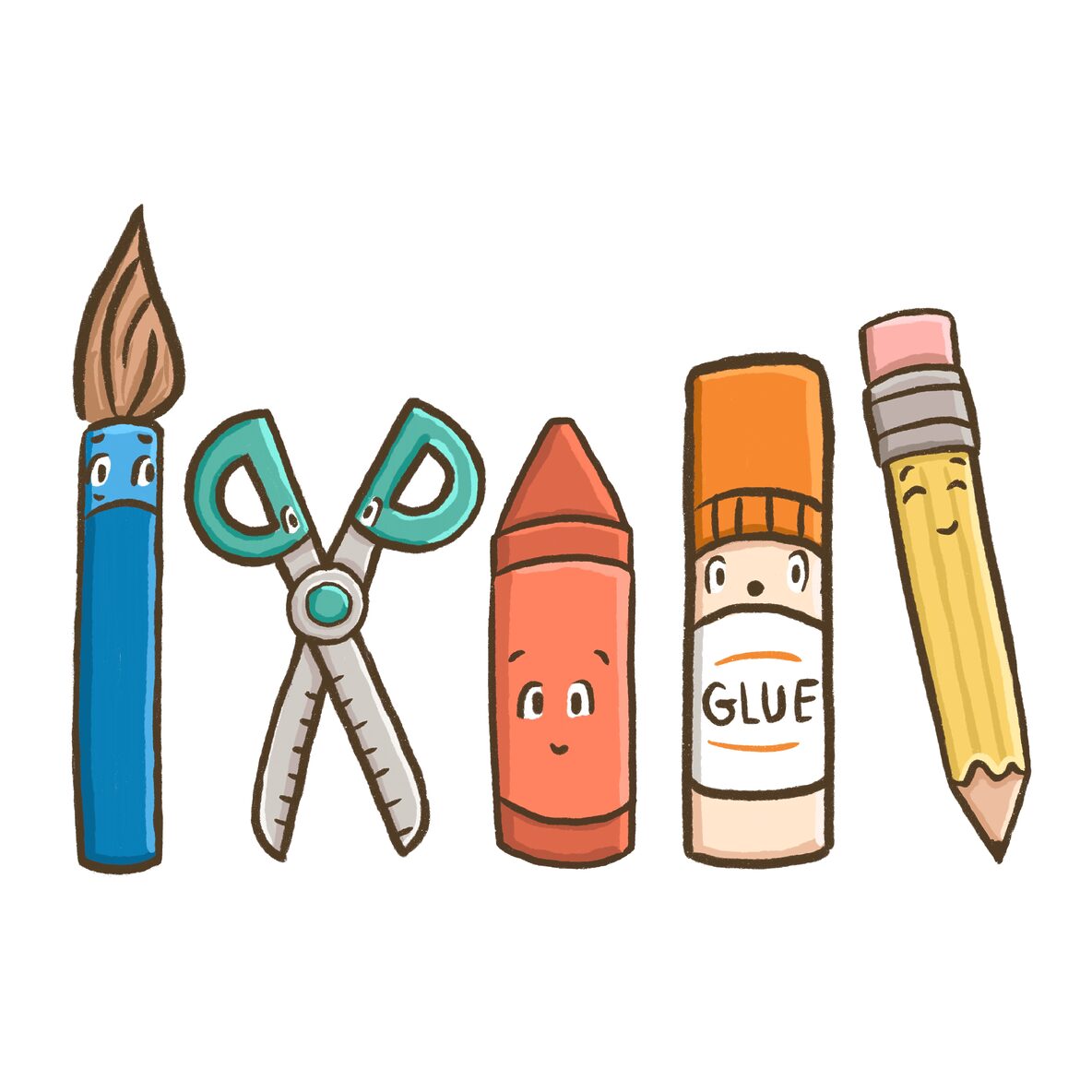
Start with simple, child-friendly tools like crayons, markers, scissors, glue sticks, and paint.
Choose tools that are easy to hold and safe to use.
How to Teach Tools
Start with simple tools, like crayons or markers.
Show your child how to hold and use each tool.
Practice together before expecting independence.
Move to more complex tools, like scissors, once your child is ready.
Keep it safe, supervised, and hands-on.
Where to Practice Using Tools
Use tools at a table or counter where your child can sit comfortably.
Stay nearby to guide and supervise, especially when introducing new tools.
When to Introduce Using Tools
Introduce tools when your child shows interest and is ready to try.
Short, supervised practice helps children build confidence over time.
Next
Now that you've learned about the main tools your child will use for learning activities, let's move on to making art with the tools. Arts and craft are a big deal in early childhood education!
Learn more with the LitSteps Learning Path
Continue building classroom readiness with printable family guides, hands-on activities, original books, and more in the LitSteps Learning Path.