
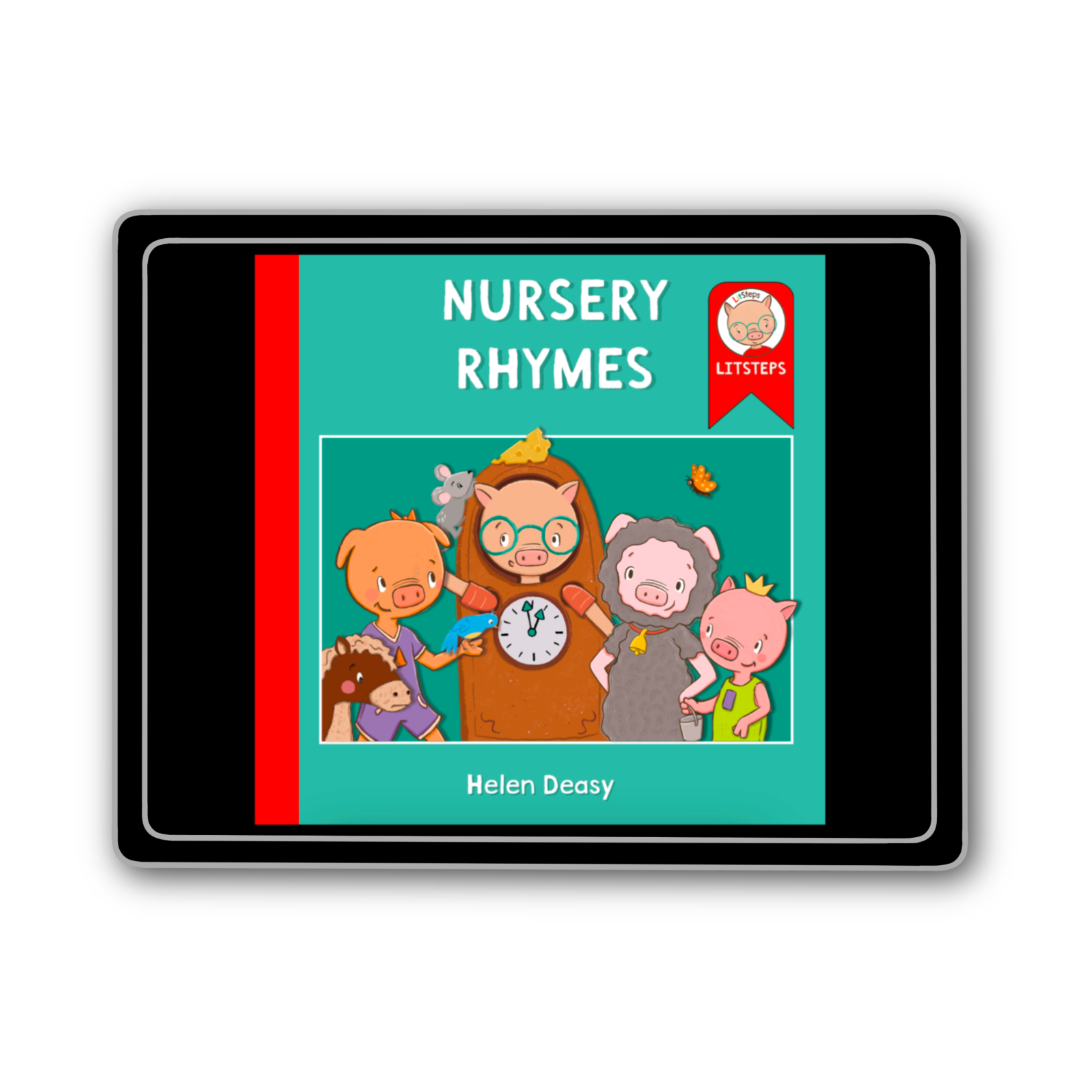

Using Devices with Young Children
NOT ALL SCREEN TIME for Young Children IS THE SAME
Young children have short attention spans, and that’s completely normal. Healthy screen time for young children should feel interactive, connected, and balanced with real-world play and conversation.
Short, low-pressure learning moments are often the most effective. Read one digital book together. Play one matching game. Practice one new skill. Then move on and return to it another day.
Repetition over time helps children build confidence naturally.
You do not need hours of structured learning for meaningful progress to happen.
When used intentionally, digital tools can support literacy, creativity, and meaningful learning experiences at home.
Connection Matters More than the Device
Young children learn best through relationships.
Whenever possible, sit beside your child while using digital resources together. Talk about what you notice. Ask questions. Laugh together. Pause and discuss pictures, words, sounds, and ideas.
Devices should support connection, not replace it.
Keep Digital Learning Short and Interactive
Young children have short attention spans, and that’s completely normal.
Short, low-pressure learning moments are often the most effective. Read one digital book together. Play one matching game. Practice one new skill like colors, shapes, or letters. Then move on and return to it another day.
Repetition over time helps children build confidence naturally.
You do not need hours of structured learning for meaningful progress to happen.
Read one digital book together. Play one matching game. Practice one new skill like colors, shapes, or letters. Then move on and return to it another day.
Devices are Tools
A device is simply a tool.
Like crayons, scissors, books, or blocks, digital tools can be used thoughtfully or carelessly. What matters most is how they are used and whether they support meaningful interaction and learning.
At LitSteps, digital books and activities are designed to encourage participation, conversation, and shared learning experiences between parents and children.
Follow Your Child's Lead
Every child responds differently to digital experiences.
Some children become deeply engaged with interactive stories and literacy activities. Others may need more movement, breaks, or hands-on learning opportunities away from screens.
Pay attention to your child’s cues and adjust as needed.
Learning does not need to look perfect to be meaningful. Small moments of connection, curiosity, and repetition are often where the most important learning begins.